
Do you have a gap near the front of your smile? Did you lose a molar years ago and have been chewing around the space ever since? Small-diameter dental implants can replace individual missing teeth, but the location of that tooth changes what we have to consider.
A narrow space near the front of your mouth is very different from the larger opening left by a molar that absorbs more pressure when you chew. At Aesthetic Associates Centre in Buffalo, NY, we look at the width of the space, the available bone, and the amount of force the replacement tooth will need to handle. Since those details can look different from one person to the next, we can help plan treatment around what your situation actually calls for.
What Are the Benefits of Small-Diameter Dental Implants?
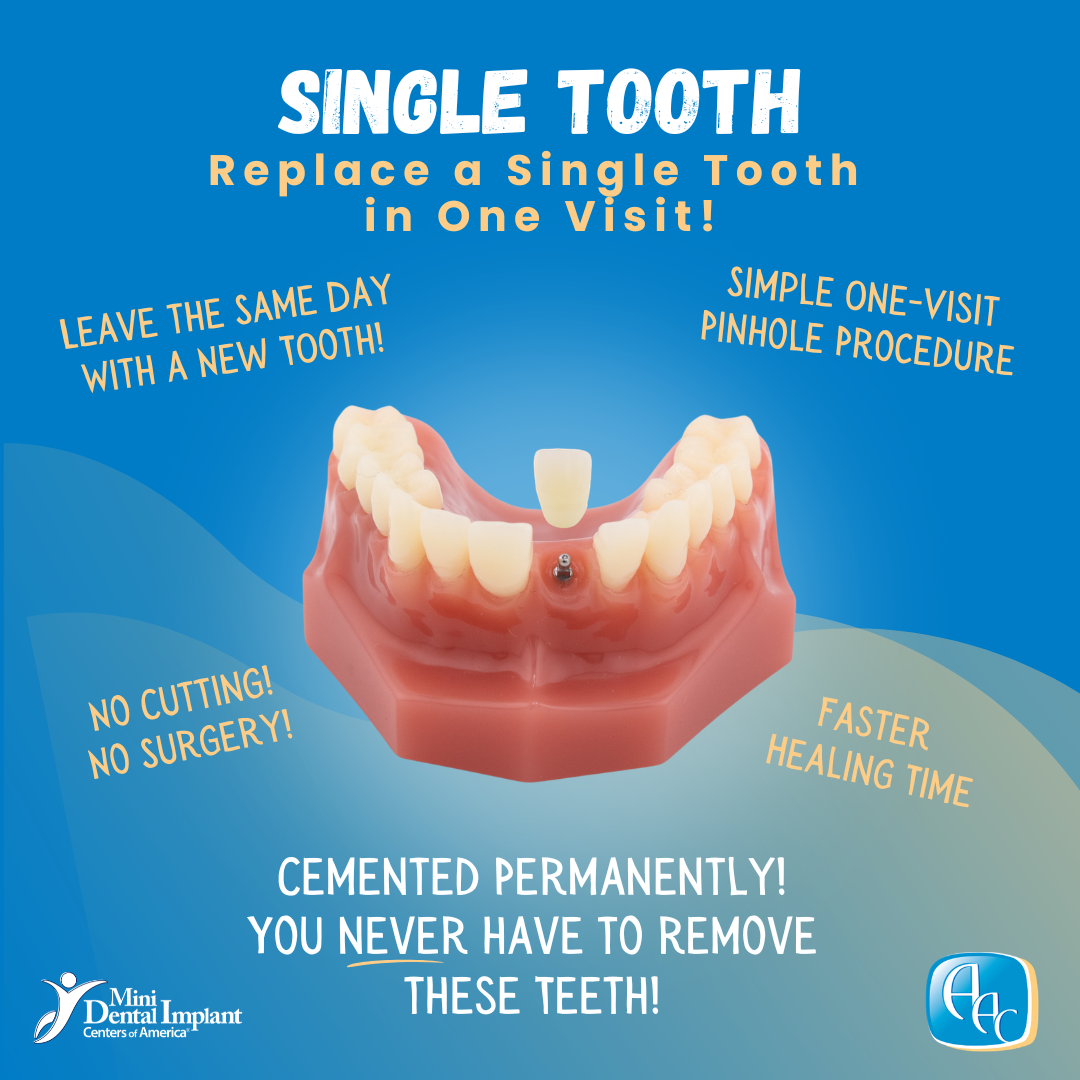
A small-diameter dental implant, sometimes called a narrow-diameter implant, typically measures 3 millimeters or less across. A standard dental implant is closer to 5 millimeters in diameter. On paper, a difference of a few millimeters may not sound significant. Inside the jaw, where an implant has to fit within a specific width of bone and sometimes between the roots of neighboring teeth, those millimeters can change what we have room to place.
Think of the diameter as the implant’s footprint in the bone. A standard implant needs a wider area to accommodate the implant and the bone surrounding it. A small-diameter implant uses a narrower footprint, roughly half the width of a conventional option. In areas where bone width or the distance between neighboring teeth gives us less room, a narrower implant can open up another possibility for replacing the missing tooth.
Can Small-Diameter Dental Implants Replace Front and Back Teeth?
Yes, we can consider small-diameter dental implants for individual teeth in both areas of the mouth. Where we use them depends on the space we have and what the replacement tooth will need to handle.
Certain front teeth show why implant width can be useful. Upper lateral incisors and lower incisors can leave narrow gaps when they are missing. We need enough room for the implant while preserving adequate bone around it and maintaining safe spacing from the neighboring tooth roots. We also have the final crown to consider. Its position in the smile, the surrounding gumline, and the way your teeth meet all influence where we place the implant.
Premolars and molars bring another concern: force. Your back teeth crush and grind food, so an implant in this area will experience greater chewing pressure. We evaluate your bite, the bone available at the site, and the restoration the implant will support before deciding whether a small-diameter implant is suited to that position.
A few millimeters can give us valuable room, but they do not make the treatment decision for us. Our team considers the entire site and the tooth we are replacing before selecting the implant.
Explore Your Options for Single-Tooth Replacement
It is easy to adapt to a missing tooth, especially if the gap has been there for years. You chew on the other side, avoid certain foods, or stop thinking much about the space at all. But adapting to it does not mean replacement is off the table.
Small-diameter dental implants give us a way to reconsider spaces that may seem too narrow or areas where bone width has changed over time. Dr. Todd Shatkin has more than 30 years of implant experience and can evaluate whether this type of implant makes sense for the tooth you lost.
If you have been living with a gap and wondering whether it can still be replaced, contact Aesthetic Associates Centre in Buffalo to schedule a free implant consultation.
