
Have you ever noticed a small change near your gums and stopped for a second to figure out what it meant? Maybe the area looked a little red, felt tender when you brushed, or seemed different enough to catch your attention, but not serious enough to interrupt your day. Those in-between moments can be hard to read. You may wonder if you brushed too firmly, skipped flossing a few too many times, or need to call the dentist. Gum infection symptoms often begin in ways that are easy to dismiss. Your gums may not cause sharp pain right away, but they can still show signs that bacteria or irritation are affecting the tissue. Paying attention to those changes can help you understand when your mouth may need more than a small adjustment to your brushing routine.
From subtle color changes to lingering discomfort, your gums can offer important clues about your oral health. More importantly, knowing what to look for can help you feel less uncertain when something in your mouth does not seem quite right.
What Your Gum Infection Symptoms May Be Telling You
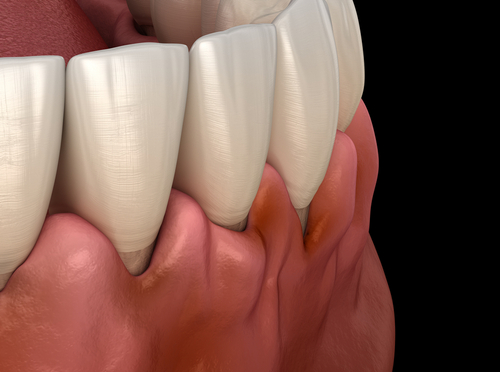
Gum infection symptoms often begin with changes that seem small at first. You may notice bleeding when you brush or floss, puffiness along the gumline, or a darker red or purple color. These changes usually point to gum disease, meaning the gum tissue is inflamed and reacting to plaque bacteria that have built up around the teeth.
Bleeding often occurs because irritated gum tissue becomes swollen and more fragile. Even gentle brushing or flossing can disturb the tiny blood vessels in the gums. Swelling develops as your immune system sends fluid and protective cells into the area to fight the bacteria. As the tissue becomes irritated, the gums may appear puffy, glossy, or darker than usual.
The misleading part is that early gum disease symptoms are often painless. You may see blood in the sink or notice swelling before you feel any real discomfort. Pain tends to appear later, especially if the infection moves deeper below the gumline. For that reason, bleeding or swollen gums should not be ignored simply because they don’t hurt.
In many cases, these early symptoms point to gingivitis, the first stage of gum disease. At this stage, the infection is still confined to the gum tissue and can often be reversed with professional care and improved daily cleaning.
Gum Disease vs. Gum Abscess: How Are They Different?
Gingivitis and a gum abscess can both involve infection, swelling, and irritated gum tissue, but they are not the same condition. Some gum infection symptoms come from early gum disease, while others may point to a more focused infection. A gum abscess is different from general gum inflammation because it usually develops in a single spot. It forms when bacteria become trapped, and the body creates a pocket of pus around the infection.
The symptoms often feel more intense and more localized. You may notice a tender bump on the gums, swelling in one area, throbbing pain, pus, or a bad taste in your mouth. While early gum disease may cause bleeding or puffiness across a wider area of the gums, an abscess tends to draw your attention to one painful spot.
A gum abscess can develop from a deep periodontal pocket, trapped debris, or an infection related to a tooth. Once pus forms, the infection usually needs prompt dental treatment. Depending on the cause, care may involve draining the abscess, cleaning the infected area, treating the affected tooth, or addressing the gum pocket where bacteria have collected.
Let Us Take a Closer Look at Your Gum Health
Gum infection symptoms can start with subtle changes. Even so, they deserve attention before they become harder to manage. Bleeding, swelling, tenderness, pus, or discomfort in one area of the gums can all point to irritation or infection.
We can examine your gums and identify the source of your symptoms. Then, we can explain what your next steps may involve. With the right care, many gum concerns can be treated before they progress or affect the surrounding tissue.
When something near your gums looks or feels different, you do not have to sort through the possibilities on your own. Schedule an appointment with Aesthetic Associates Centre in Buffalo today.
